
Coastal Texas Windstorm Insurance Explained Simply
Understand how windstorm coverage works, when it's needed, and what to check before storm season.
Many homeowners assume their standard policy covers all storm damage, but that's not always the case along the Texas coast. In certain areas, windstorm and hail coverage may be separate or handled through specific programs. Understanding how your policy is structured helps you avoid gaps-especially before hurricane season. Reviewing your coverage now can prevent costly surprises later.
Does Your Home Insurance Cover Wind and Hail?
What Is Windstorm Insurance in Texas?
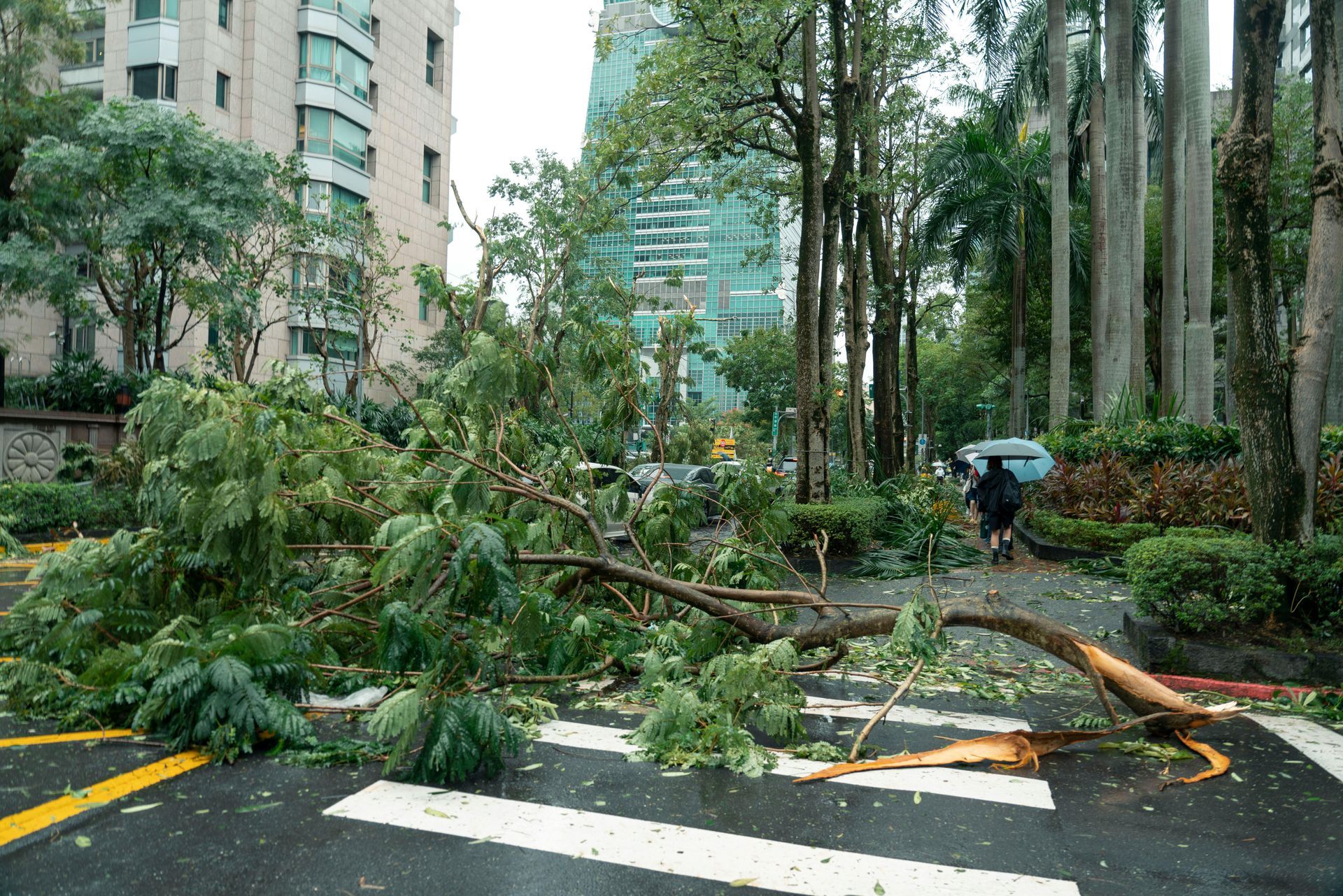
Windstorm insurance is designed to cover damage caused by wind and hail, including hurricanes and severe storms. In coastal counties, this coverage is sometimes not included in standard homeowners policies and may need to be purchased separately.
This type of coverage typically applies to:
- Roof and structural damage from wind
- Damage caused by hail
- Certain storm-related losses depending on policy details
Knowing whether your current policy includes this protection is an important first step.
Do You Need Windstorm Insurance in Coastal Counties?
In designated coastal areas, including counties like Nueces County, windstorm coverage is often required by lenders if you have a mortgage. Even when it's not required, many homeowners choose to carry it due to the higher risk of severe weather.
If your current insurer does not offer windstorm coverage, you may need to explore alternative options to stay fully protected.
What Is TWIA and Who Qualifies?
The Texas Windstorm Insurance Association (TWIA) is a state-backed program that provides windstorm and hail coverage for eligible properties in designated coastal areas. It's often considered an option when coverage isn't available through standard insurers.
To qualify for TWIA coverage, properties generally must:
- Be located in a designated coastal county
- Meet building code and inspection requirements
- Be properly certified for windstorm compliance
Understanding these requirements ahead of time can help you avoid delays if you need to secure coverage.
What Is a WPI-8 Certificate?
A WPI-8 certificate of compliance is a document that confirms your property meets Texas windstorm building standards. This certification is often required for eligibility in certain windstorm programs, including TWIA.
The certificate typically applies to:
- New construction
- Major repairs or renovations
- Structural improvements affecting wind resistance
Without proper certification, it may be difficult to secure windstorm coverage, making it an important step in the process.
What to Check Before Storm Season
Preparing ahead of hurricane season can help ensure your coverage is ready when you need it most.
Review Your Policy
Confirm whether windstorm and hail damage are included or require separate coverage.
Check Your Deductibles
Windstorm deductibles may differ from standard deductibles and are often percentage-based.
Verify Property Certification
Ensure your home meets windstorm compliance requirements if applicable.
Understand Coverage Limits
Make sure your policy reflects current rebuilding costs and property value.
Common Questions About Coastal Windstorm Insurance
Do I need windstorm insurance in Nueces County?
In many cases, yes-especially if you have a mortgage. Lenders often require windstorm coverage in designated coastal areas.
What does TWIA cover?
TWIA policies typically cover wind and hail damage, but coverage details and limits vary. Reviewing your policy helps you understand what's included.
Is windstorm insurance the same as hurricane insurance?
The terms are often used interchangeably in Texas to describe coverage for wind-related storm damage.
What is a windstorm inspection program?
This program ensures properties meet building standards for wind resistance. Certification may be required to qualify for certain coverage options.
Get Clear Answers Before You Need Them
If you're unsure about your current coverage or want help understanding your options, speaking with a licensed agent can make things much easier. Optimum Insurance Solutions can walk you through your policy and help you identify any gaps before storm season.